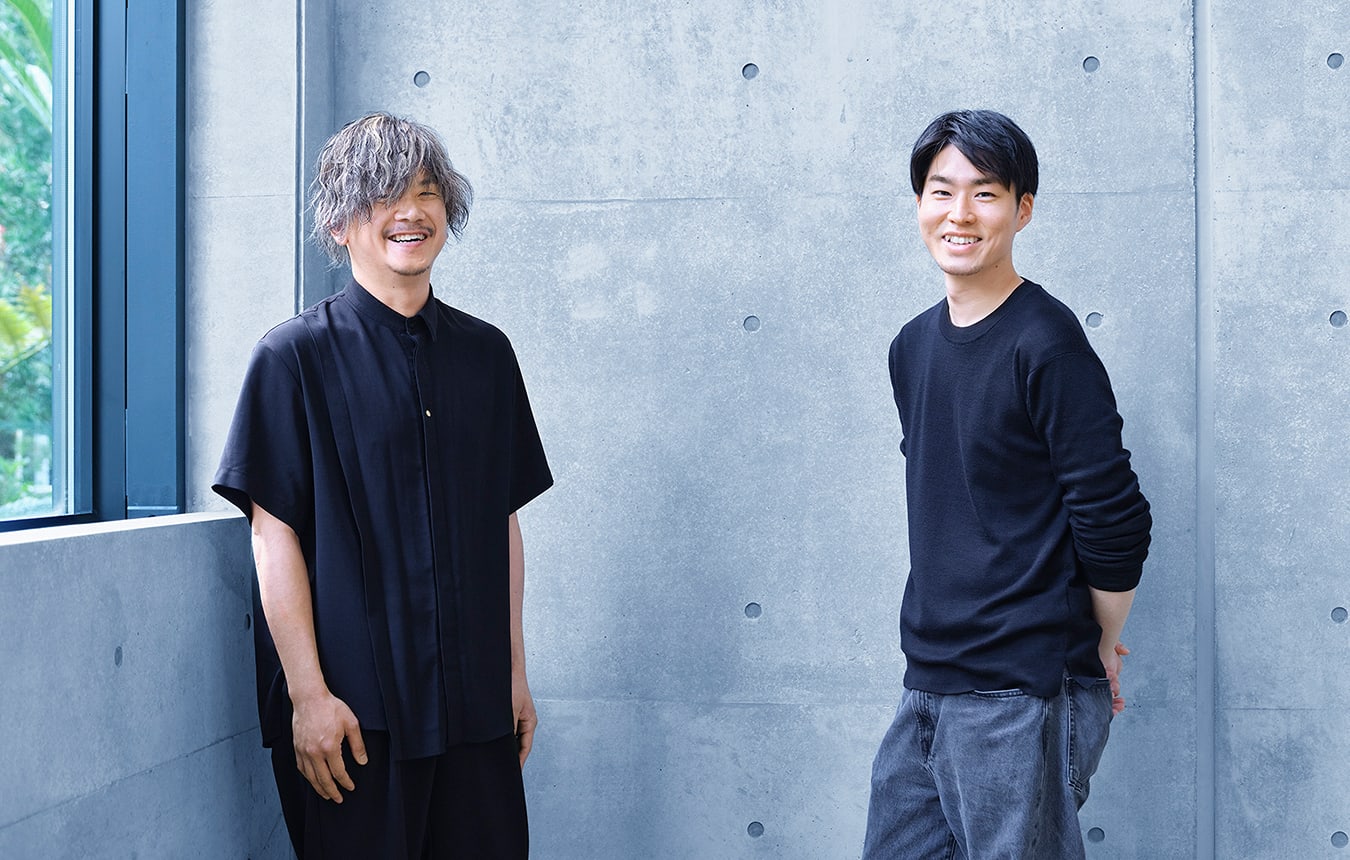
You are both part of the Solution Design Group. What role does the group play?
Takuma Kawamoto (TK)The Solution Design Group takes Fujifilm’s vast array of advanced materials and connects them to design. Our work is based on the concept of providing new types of value and creating new business opportunities. Most of the materials we handle are yet to find an outlet, and our mission is to find ways that they can benefit society, create prototypes, and get the word out.
We haven’t heard of many in-house designers who work on the practical application of materials that are yet to make it into products.
TKYou’re right, it’s probably quite unusual, but we joined Fujifilm based on a desire to do work that connects chemistry with design in that way. This a company where it is possible for designers to build substantial connections with laboratories that develop materials.
How did the CLAY material LAB project begin?
Gakuto Kosugiyama (GK)The idea for the project came when I was in my fourth year at Fujifilm. Takuma was in his seventh year at the time. The work of the Solution Design Group spans from material excavation to design development, including exploring applications through recipe development and initial proposals, and all the way to dealing with customers seeking to make use of materials. However, one issue we found with that process was that, once customers come onto the scene, the focus shifts to operational work centered on meeting their requirements. This reduces the amount of creative work that can be done. Takuma and I ended up engaging in deep discussions about what we truly wanted to do and what creators involved in material development should strive for.
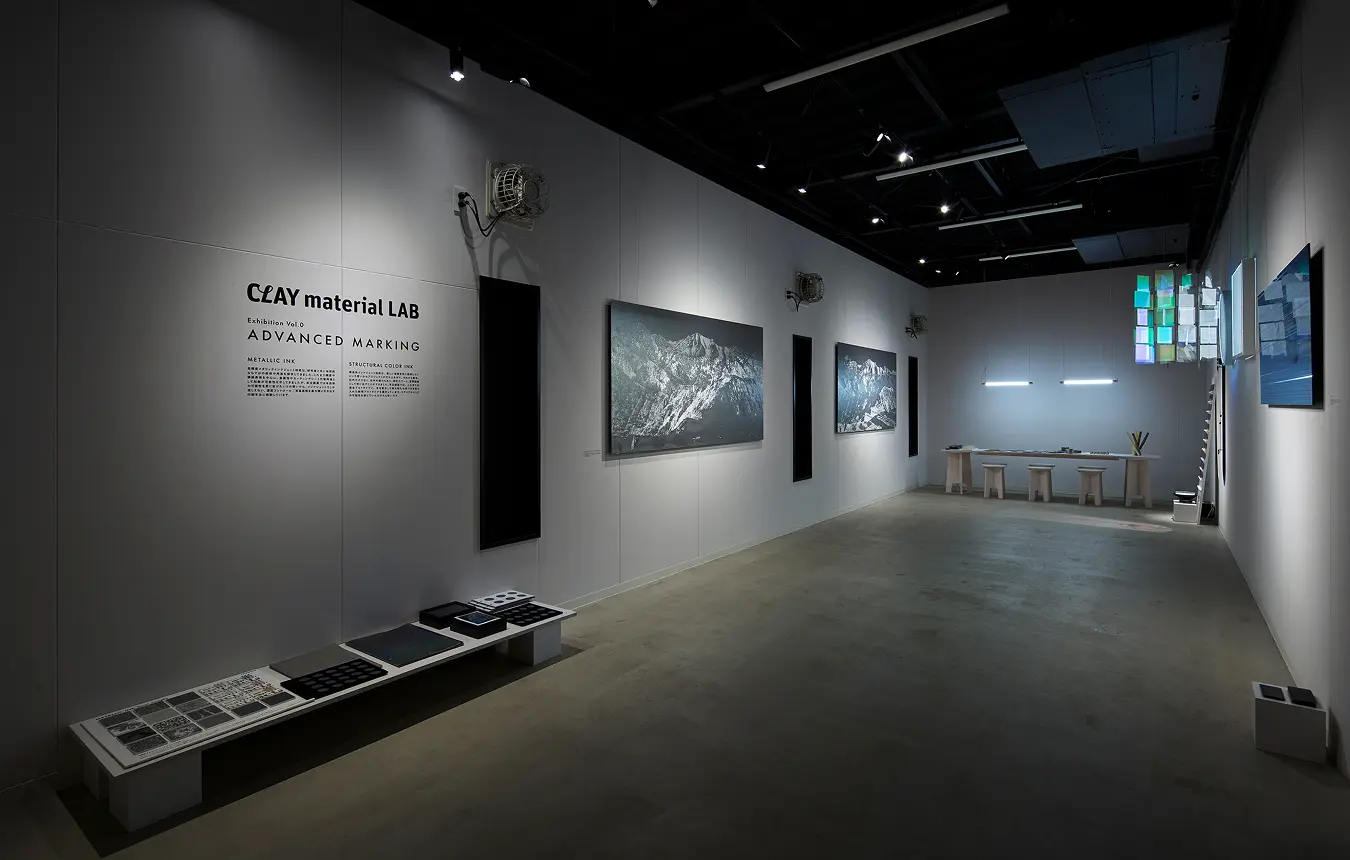
What was the outcome of your discussions?
GKRather than focusing on customer requirements, we decided to take a central role in communicating the appeal and functions of materials. We also wanted both creators from outside Fujifilm and people within the company to see us as people who can be relied upon to produce interesting results. CLAY material LAB started with the aim of cultivating that type of recognition.
TKWe also wanted to create new possibilities by shining a fresh creative light on existing technologies and materials for which development has stalled. To do that, we need to present new possibilities and raise awareness of materials. As people closely involved in material development, we believed that we could achieve those aims too.
What elements do you pay particular attention to in your work?
TKThe most important thing is ensuring we can earn researchers’ trust. Material development isn’t a field where you can do whatever you want just because it seems fun, and we don’t believe in going along with things on a whim. We want to start by providing support that addresses difficulties faced by researchers and to make sure that people feel glad to have worked with us at the end of the day. To do that, it is essential that we develop creative strategies grounded in a firm grasp of laboratory roadmaps.
GKI value the sense of being a “running mate” who supports researchers’ ideas.
Between this year and last, CLAY material LAB has already held two exhibitions showcasing prototypes.
TKOur ability to make prototypes that enable people to experience material technology is one of our strengths. Through a bricolage-based approach, we bring a collection of materials together and quickly incorporate them into experiences. We want to avoid present things using words alone. Our aim is to achieve a “wow” factor that inspires surprise and delight in visitors on a truly emotional level.
GKI suspect that may be the main thing that researchers hope to see from us. While those on the research side pour their energy into enhancing the functions and quality of materials, we work to make those materials into something even more beautiful and inspiring.
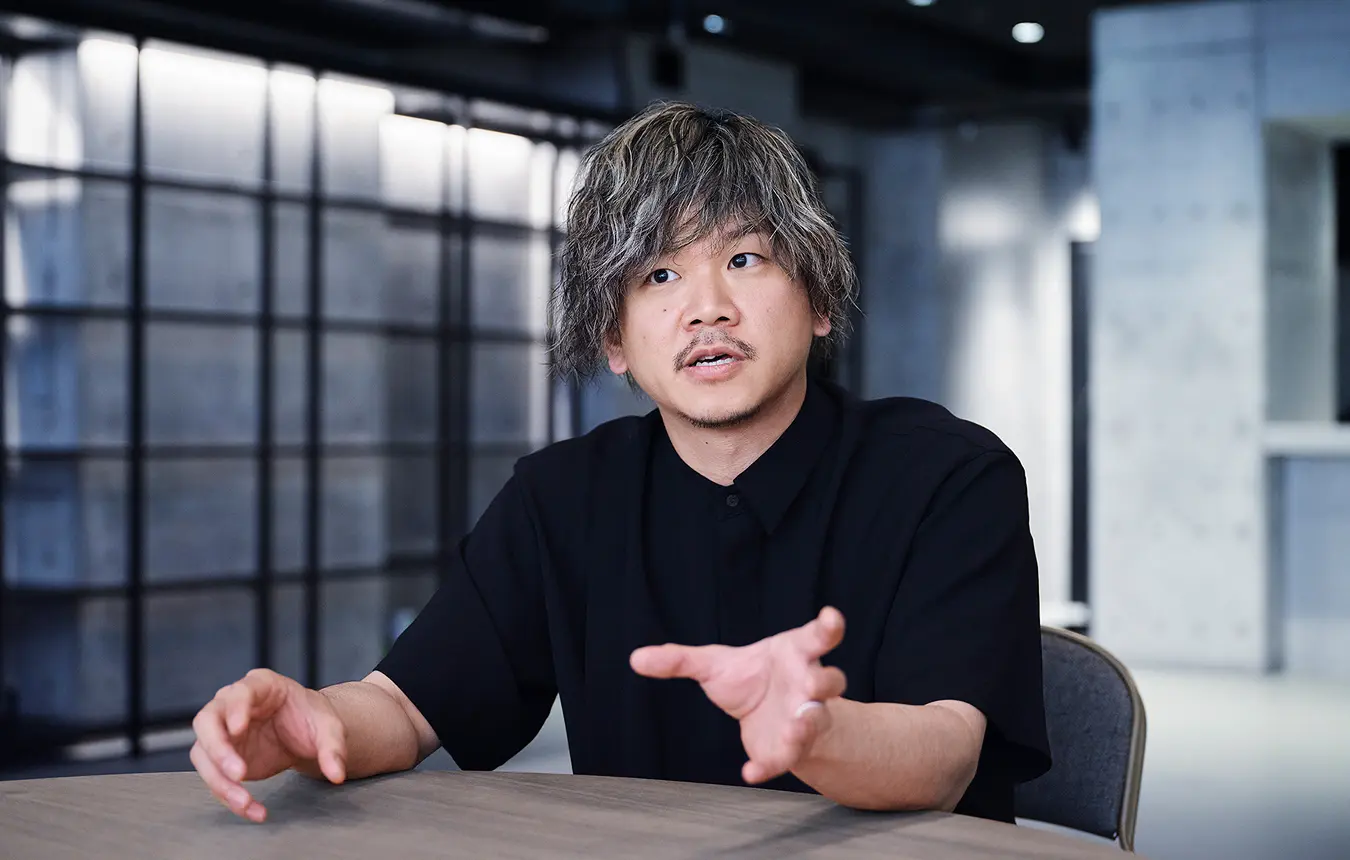
How were your exhibitions received?
TKLast year was a trial just after the project had launched, so the exhibition was by invitation only in a small corner of the Design Center complex. We invited guests with links to the Design Center, including creators, artists and people from material processing and manufacturing companies.
GKWe reached out to people who we thought would really understand the technology and, rather than acting as customers, would share a desire to communicate it to the world.
TKWe made a concerted effort to carefully explain the project to each visitor individually. In part thanks to that, creators and artists who are involved in frontline activities remarked that they had never seen designers so deeply engaged in material technology research, which was extremely encouraging. We also attracted supporters within the company, and with their backing, we were able to hold an exhibition at an external venue this year.
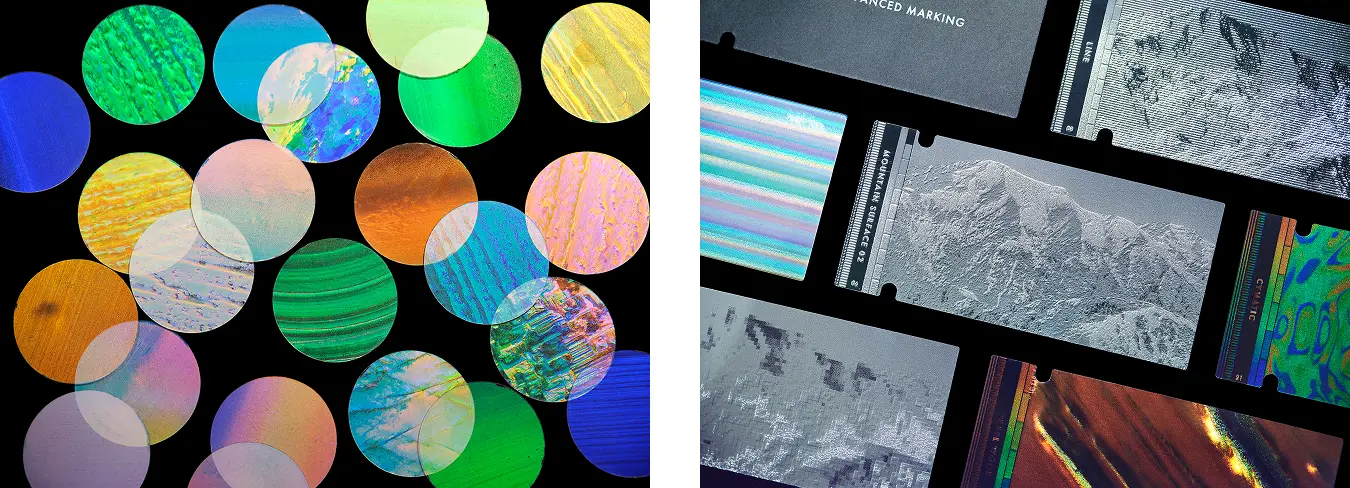
For this year’s exhibition, you asked STUDIO BYCOLOR’s Kaori Akiyama to act as design director and exhibited protypes that further explore the expressive potential of advanced materials.
TKOnce we had recipes that had finally reached the stage of potentially being able to put technology in practice, we were curious to see what would happen if we invited an external designer to be the “chef.” We put together some technological possibilities as options, then had Kaori Akiyama work her magic from her perspective as an external party to craft them into “dishes.”
GKAnother significant success was that Kaori Akiyama’s reach enabled us to connect with a new audience.
You mentioned that you want your prototypes to inspire true delight in people. Is there anything else that you try to keep top of mind?
TKWe place great importance on “art” as a word. The approach of diligently exploring technology feels similar to artistic thinking, which is about confronting your inner self and delving deeper into your own thoughts.
GKThe situation is different for each technology and material, but, for example, we are convinced that the structural color and high-brightness metallic inkjet technologies that we are working on at the moment can become new materials for artists. Our work also has high affinity with art in that sense.
Looking back on your work so far, has anything left a particularly strong impression?
TKFujifilm has a system of awards for researchers in its laboratories, and we were lucky enough to receive one last year. Apparently, that came about because some of the researchers who we had worked with for the past five years put our names forward. Having our activities recognized by researchers like that brought me immense joy.
GKSo many people have supported our work, but I’m particularly grateful for the excellent teamwork, including from management. Not only has our manager listened carefully to what we have to say, she brought in stakeholders from inside and outside the company and created an environment that allowed us to focus on being creative. She also played a key role in the launch of CLAY material LAB.
Do you think that the appeal of this project might inspire people to join Fujifilm in the future?
TKIf people come here with dreams that can only be fulfilled at Fujifilm, there’s merit in that. However, we also work in less glamorous areas with a lot of painstaking tasks, such as dissecting papers and creating technical archives. People need to be willing to take on the dirty work that enables them to do what they love.
GKThings shouldn’t end as ideas. Our unwavering dedication stems from dreams of bringing new value to the world through materials and related technologies.
- Original text by Masahiro Kamijo
- Photos by Sayuki Inoue
- English translation by Craig Murray