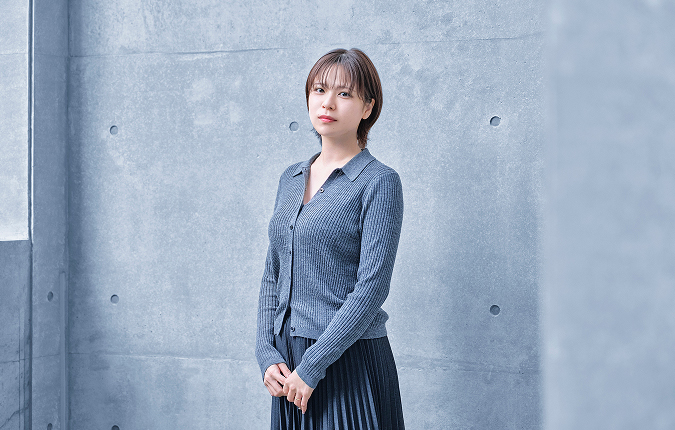
You developed the design for the X-M5 compact mirrorless camera. What can you tell us about it?
Fujifilm’s X Series digital cameras have a core theme of being “A joy to hold and a pleasure to operate.” Pursuing the optimal balance between lightweight design and image quality, the fusion of cameras’ essential functional beauty with the latest technology has seen numerous users embrace the series ever since its launch.
I’m a product designer, and I worked on the X-M5 from the product planning stage. We aimed to create a new category of X Series camera at a relatively affordable price. In addition to keeping the cost accessible, I worked hard to preserve the classic-inspired design and high quality that are established hallmarks of the X Series. We successfully built a body lighter than any previous interchangeable lens cameras in the series, into which we packed high-resolution still image performance, video capabilities, and vlogging functions.
The X-M5 is the first X Series camera with a focus on vlogging. How did you go about developing it?
I started by producing rough sketches based on that initial concept of a compact X Series vlogging camera. The reality is that competing vlogging cameras with a significant market share already exist, so our biggest challenge from there was working out how to bring out Fujifilm’s unique character so that the camera stood apart from the crowd.
After considering several rough sketches, we drew up two designs for a vlogging camera with the aim of clarifying our own thought process. The first took competing models into consideration, while the second brought out the character of the X Series through a classic-inspired design. Looking at the sketches side by side, we naturally knew the design we should move forward with. It was a case of “this one is a Fujifilm camera.”
At the same time, based on conversations with the product planning department, we were looking to create a camera that people seeking a more carefree photography and vlogging experience would want to hang around their neck as they walk around. While fully retaining the essence of the X Series, we were aiming for styling unlike anything in the existing lineup. That new interpretation gave me lots of freedom in the design. Of course, I also spent significant time studying previous X Series designs and the essence of classic cameras.
The X Series has a large existing following. Was it difficult to hold true to the classic-inspired look and feel while creating a new design with new functions?
It was extremely challenging, that’s for sure. Even so, this time we were aiming to expand the X Series’ perspective with a new category of camera. I happen to fit the target demographic perfectly, so I was able to see the functions and design from the user’s perspective while also remembering my feelings from my experience as a fan. It wasn’t easy, but I think we ultimately achieved an optimal design encompassing all of the factors at play.
What elements did you pay particular attention to?
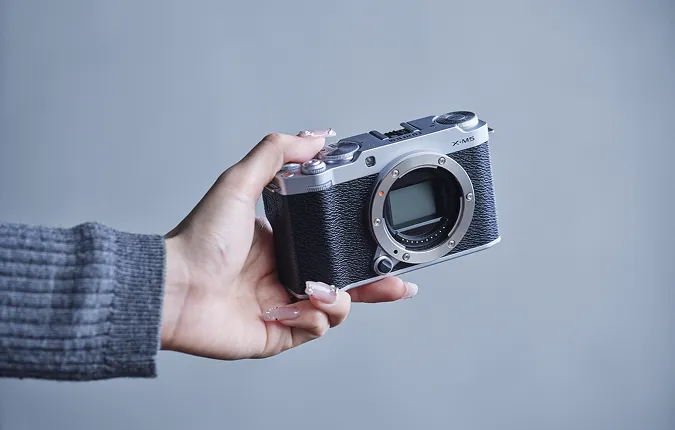
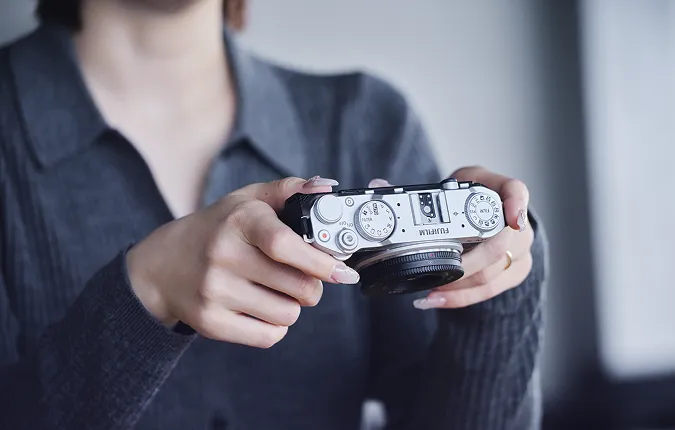
I paid careful attention to every element of the design. Having said that, the new styling that we adopted for the top plate required close consideration over several iterations. There are recesses on the right and left side, where we’ve positioned two dials, with about half of each dial integrated into the central section. This creates a distinctive, symmetrical form that also enabled us to condense various functions into a small body. The resulting design symbolizes a new category of camera that’s lightweight, compact, and multifunctional.
In addition, while keeping the price affordable, we paid close attention to various details as part of our determination to maintain the feeling of quality befitting an X Series camera. That includes creating dials from a combination of resin and aluminum tops and developing a new silver coating with a highly-metallic feel. I think we achieved a design that is “A joy to hold and enjoyable to operate” both for first-time X Series users and for long-time fans of Fujifilm cameras.
On a personal note, my dad’s influence meant that I’ve always been into photography. I actually bought an X-M5 myself when it came out, and I still carry it around as my trusty camera. I’m really into using the flash attachment to take photos reminiscent of a QuickSnap single use camera.
Following your experience as a designer working on large projects, what new challenges would you like to take on moving forward?
Good question. Up until now, I’ve given a lot of thought to making sure that tasks proceed smoothly, placing importance on the successful completion of development projects through factors such as seamless communication within the team.
That’s definitely important. But if I had to pick something personal that I want to work on, I think I need to get back to the basics of creating great designs. I’ve never submitted anything half-baked, but I’ve reached a point where I can make something that I’m more or less happy with, my manager says that it looks good, and we move on to the next stage. Within that process, I’d like to make the effort to really reassess my work and push myself that little bit further.
No one likes the idea of going back to square one to rethink something that they’ve already spent a lot of time on. At the same time, it’s important to push yourself to raise the bar in terms of quality without shying away from the mental cost of considering whether the design can actually be improved. That’s the next challenge that I would like to take on.
What is it like working at Fujifilm Design Center? Do you have any words for today’s design students?
Our team has a lot of designers with abundant experience, but this is also a workplace that values young mindsets. Fujifilm is a company where each person can make the most of their own unique flair, and I hope that we can attract new designers who demonstrate that passion for design.
- Original text by Tomoro Ando
- Photos by Sayuki Inoue
- English translation by Craig Murray